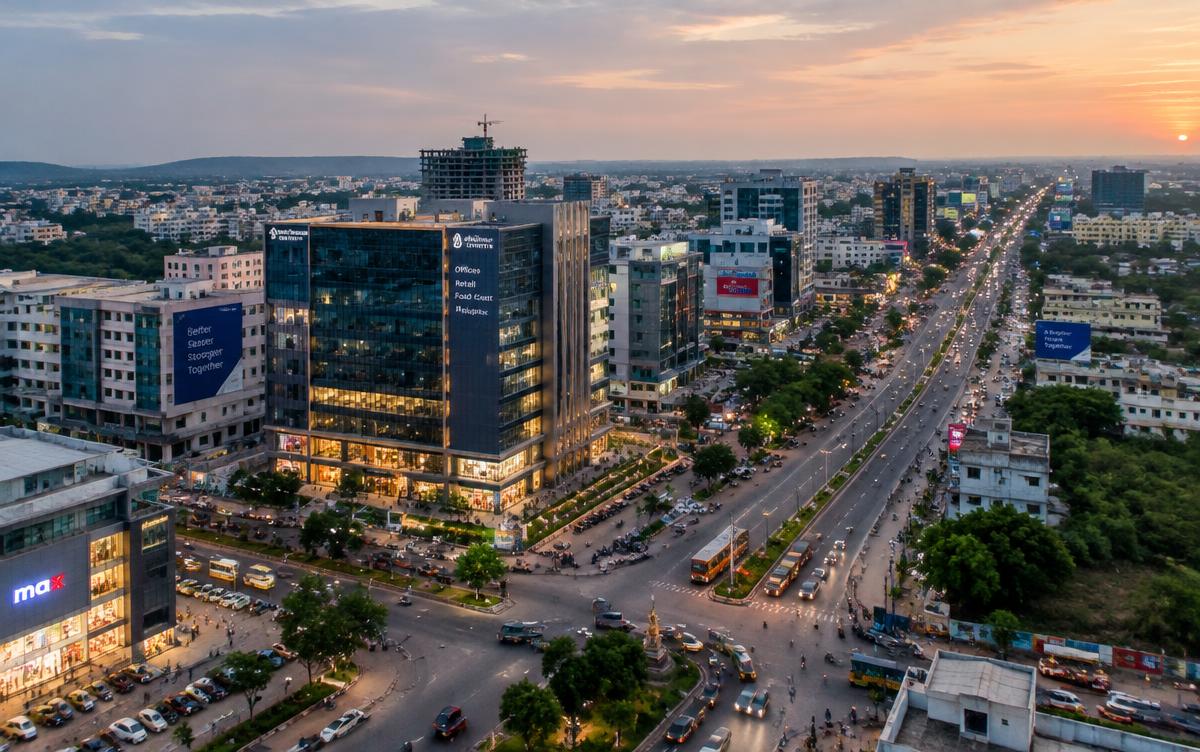
Gujarat · Tier 2 · West India
Market research company in Surat
A global diamond-cutting and textile centre with high household spending. Our resident team interviews in Marathi, Gujarati, Hindi and English, with fieldwork live within 5–7 working days of sign-off.
Quick answer
Market Research India runs market research in Surat, Gujarat with a resident field team covering 10 localities. Interviewers work in Marathi, Gujarati, Hindi and English, fieldwork typically starts 5–7 working days after sign-off, and capacity runs to 900–1,200 completed face-to-face interviews a month.
Proposal in 24 hours
Scoped, itemised and fixed-fee.
50 cities, 14 languages
Our own supervised field teams.
Senior-led, NDA-first
A research director on every project.
2,400+
Projects delivered
50
Cities with field teams
30
Industries covered
14
Indian languages
01
Surat at a glance
The facts below decide most of what a Surat proposal will say: who can be reached, in which languages, over what geography and how quickly.
Surat fieldwork profile
- State
- Gujarat
- Market tier
- Tier 2 · West India
- Interview languages
- Marathi, Gujarati, Hindi and English
- Localities covered
- 10 named areas, including Adajan, Vesu, Athwa
- Sample boundary
- City plus a 60–80 km ring of Gujarat districts
- Field team
- About 10 resident interviewers, 900–1,200 face-to-face interviews a month
- Fieldwork starts
- 5–7 working days after sign-off
- Dedicated local pages
- Survey companyDPR consultant
02
Why this market behaves differently
A global diamond-cutting and textile centre with high household spending. That is not background colour for a research buyer: it decides which respondents are worth an incentive, which categories have enough local depth to sample properly, and how long a usable list of fashion & apparel decision makers can realistically be built here.
Surat is a Tier 2 market, and the practical consequences are worth stating plainly. There is no standing viewing facility, so groups run in hired venues with recruiters working from our own Surat lists rather than a facility database. Respondents give longer and less rehearsed answers because they are approached far less often than metro consumers. And in B2B the person who decides is usually the promoter or owner rather than a category manager, which changes the question route, the seniority of the moderator and the incentive that secures the meeting.
Fieldwork runs in Marathi, Gujarati, Hindi and English. Trade and business respondents often prefer Gujarati or Marathi for anything involving numbers, even when the opening conversation happens in English, so we brief interviewers to let the respondent set the language.
A Surat sample is rarely only Surat. Shoppers, patients and trade buyers travel in from the surrounding districts of Gujarat, and the distributors serving them sit inside the same market. Unless a brief says otherwise we scope a catchment ring around the city instead of stopping at the municipal boundary, and we report the city and the ring separately so you can see which demand is urban and which is drawn in.
The work we are commissioned for here concentrates in Fashion & Apparel, Manufacturing & Industrial, Real Estate, Chemicals & Specialty Materials — the sectors with enough local weight to carry a properly structured sample rather than a token booster.
03
What we can run on the ground here
Everything below is executed by the Surat team itself. Where a capability depends on something the city does not have, it says so rather than promising it.
A resident, supervised field team
Around 10 trained interviewers work out of Surat under a local supervisor, not a crew flown in for the week. Capacity runs to roughly 900–1,200 completed face-to-face interviews a month before we need to draft in neighbouring Gujarat teams.
Languages and translation control
Interviewing in Marathi, Gujarati, Hindi and English. Every questionnaire and discussion guide is translated, independently back-translated and piloted on six to eight respondents before full launch, so scale points mean the same thing in each language version.
Quality control you can audit
GPS and timestamp tagging on every CAPI interview, full audio capture, and telephone back-checks on at least 20% of the sample. Rejected interviews are re-fielded, and the audit trail ships with the dataset rather than on request.
Telephone and online capacity
CATI from our multilingual centre reaches Surat and the wider Gujarat numbering ranges, which is the practical route to respondents spread across districts where travel time would otherwise consume the budget. Online panel sample is available for digitally active segments.
Qualitative recruitment
Recruitment through our own Surat respondent lists plus society, market and trade referrals, with groups hosted in hired hotel or conference venues and streamed for clients who would rather not travel for two evenings.
Intercepts, store and trade work
Shopper intercepts, exit interviews and retail audits across Adajan, Vesu, Athwa, Varachha and the main Surat market streets. Mall and modern-trade work needs written permission from centre management or the retailer's head office, which we arrange — usually three to five working days ahead of fieldwork.
04
Planning Surat inside a multi-city study
Surat is rarely commissioned alone. The table sets out what changes when it is read against a metro — useful when you are deciding how to split a fixed budget across cities.
| Surat | A Tier 1 metro | |
|---|---|---|
| Fieldwork starts | 5–7 working days after sign-off | 4–7 working days |
| Focus group venue | Hired hotel or conference venue, streamed to clients | Professional viewing facility with client room |
| B2B respondent profile | Promoters, owner-operators and plant heads | Function heads and buying committees at head offices |
| Monthly face-to-face capacity | 900–1,200 interviews | 2,000–3,000 interviews |
| Cost per completed interview | Roughly 20–35% below metro rates | Benchmark for Indian fieldwork costs |
| Sample boundary | Surat plus surrounding Gujarat districts | City and suburban belt |
The most common pairings from here are Mumbai, Pune, Ahmedabad. Running them on one instrument keeps the comparison honest; running them sequentially with the same team keeps the cost down.
One brief, several cities
How we work
Our research process
- 01
Discovery
We turn your business question into clear research objectives.
- 02
Design
Sampling, method, questionnaire and discussion guides, translated into local languages.
- 03
Fieldwork
Supervised field teams with GPS, audio and back-check quality control.
- 04
Analysis
Statistical and thematic analysis by senior researchers.
- 05
Insight
Board-ready reports, dashboards and workshops with clear recommendations.
Sector focus
Sectors that drive Surat
These four categories account for most of what we are asked to research here. Each has a dedicated Surat page with the audiences and questions we handle.
Key sector
Fashion & Apparel
Trend, brand and shopper research for fashion, textile and lifestyle brands. In Surat we recruit shoppers, boutique owners, textile traders for this work, most often to answer questions like "How do Gen Z shoppers discover brands?"
ViewKey sector
Manufacturing & Industrial
B2B research on buyers, suppliers and capacity across Indian manufacturing. In Surat we recruit plant heads, procurement teams, distributors for this work, most often to answer questions like "What do procurement teams value?"
ViewKey sector
Real Estate
Demand, pricing and buyer research for developers, REITs and brokers. In Surat we recruit home buyers, brokers, investors for this work, most often to answer questions like "What price can this micro-market support?"
ViewKey sector
Chemicals & Specialty Materials
B2B demand, pricing and competitor research for chemical companies. In Surat we recruit procurement heads, traders, end users for this work, most often to answer questions like "What is the import substitution opportunity?"
View
Most commissioned
Services Surat clients ask for first
Chosen for this market rather than listed alphabetically: these are the methods that suit Surat's audiences, trade structure and geography.
Quantitative
Consumer Research
Household and shopper interviews across 10 Surat localities, run in Marathi, Gujarati, Hindi and English and weighted back to the city's own income and household profile.
ViewSpecialist
Retail Audit & Distribution
Shelf, availability and share-of-visibility checks in Surat general trade as well as the modern-trade chains, which behave very differently here.
ViewStrategy
B2B Market Research
Interviews with promoters, plant heads and distributors — in Surat these are usually the same people who sign the cheque.
ViewStrategy
Competitor Analysis
Pricing, distribution and positioning checks on the regional players who frequently outsell national brands in Surat.
ViewStrategy
Market Feasibility Studies
Catchment, demand and site work for brands entering Surat or using it as their Gujarat base, with assumptions stated line by line.
ViewStrategy
Pricing Research
Price and pack testing where value tiers dominate and a small difference per unit decides the purchase.
ViewStrategy
Market Sizing & Forecasting
Bottom-up sizing of the Surat opportunity built from outlet and trade counts, not a national figure split by population share.
ViewQuantitative
Quantitative Surveys
CAPI fieldwork with quotas set locality by locality, so a Surat sample is a designed cross-section rather than the easiest 400 people to reach.
View
Ground coverage
Where our interviewers work in Surat
10 localities with their own coverage page, from the commercial core to the outer belts.
Our Surat interviewers work to named localities, not to a city total. Each area below has its own page covering the audiences, retail formats and typical project types we handle there.
Coverage does not stop at the municipal boundary. For most Surat studies we also field across the surrounding Gujarat districts, since a meaningful share of the city's shoppers, patients and trade buyers travel in from them.
Worked at locality level
- Household and shopper interviewing against locality quotas
- Store, branch and showroom visits with photo evidence
- Trade and distributor conversations in the local market
- Recruitment for groups and depths from the same catchment
Before you brief us
Frequently asked questions
What drives the cost of a research project in Surat?
Incidence and travel, mostly. Surat fieldwork runs roughly 20–35% below metro cost per completed interview, but a low-incidence audience spread across the surrounding Gujarat districts can erase that advantage through travel time. Telling us the screening criteria up front usually saves more money than negotiating the day rate.
How quickly can fieldwork start in Surat?
Typically 5–7 working days after sign-off: two to three for translation and back-translation, one for interviewer briefing and the pilot, and the rest for recruitment. Low-incidence recruitment and permissions for mall or in-store work are the usual bottleneck.
Which languages do your Surat interviewers work in?
Marathi, Gujarati, Hindi and English. Questionnaires are translated and independently back-translated, then piloted before launch so that rating scales carry the same meaning in each version. Verbatims are captured in the language the respondent used and translated at analysis, not on the spot.
Do you need permissions for mall intercepts or in-store work in Surat?
Yes for any work inside a mall, modern-trade store or branch: written approval comes from centre management or the retailer's head office, and we arrange it, usually three to five working days ahead of fieldwork. High-street and market intercepts on public ground do not need a permit, though we brief interviewers on local market timings and avoid religious and civic sites.
Can Surat results be compared with other cities?
Yes, and most clients run it that way. The same instrument, quota frame and coding scheme are used in every city, so Surat can be read alongside any of our other 49 markets with weighting applied at the total level. We flag where a question needed a local adaptation so you know which comparisons are strictly like-for-like.
Does your Surat coverage extend beyond the city?
Yes. Most Surat studies are scoped as the city plus a ring of surrounding Gujarat districts, because that is where a large share of the trade and consumer base actually sits. We report the city and the ring separately so urban demand and drawn-in demand are not blurred together.
Surat facts
- State
- Gujarat
- Tier
- Tier 2
- Region
- West India
- Localities
- 10
- Interviewers
- ~10
- Fieldwork starts
- 5–7 days
Keep exploring
Everything we publish on Surat
Service, sector and locality pages for Surat, plus the West India markets most often fielded alongside it.
Research services in Surat
20Every method we field here, each scoped for Surat logistics and Gujarat fieldwork realities.
- Consumer Research in Surat
- B2B Market Research in Surat
- Focus Group Discussions in Surat
- In-Depth Interviews in Surat
- Quantitative Surveys in Surat
- CATI Telephone Surveys in Surat
- Online Surveys in Surat
- Mystery Shopping in Surat
Show 12 more
- Market Feasibility Studies in Surat
- Competitor Analysis in Surat
- Brand Health Tracking in Surat
- Customer Satisfaction & NPS in Surat
- Product & Concept Testing in Surat
- Pricing Research in Surat
- Market Sizing & Forecasting in Surat
- Ethnographic Research in Surat
- Healthcare Market Research in Surat
- Retail Audit & Distribution in Surat
- Usage & Attitude Studies in Surat
- Advertising & Media Research in Surat
Industries we research in Surat
30Sector pages covering the audiences, trade structure and questions that matter in each category locally.
- FMCG research
- Healthcare research
- Pharmaceuticals research
- Banking & Financial Services research
- Insurance research
- Automotive research
- Electric Vehicles research
- Real Estate research
Show 22 more
- Education & EdTech research
- Retail research
- E-commerce & Quick Commerce research
- Telecom research
- Information Technology & SaaS research
- Energy & Renewables research
- Agriculture & Agritech research
- Manufacturing & Industrial research
- Hospitality & Tourism research
- Food & Beverage research
- Consumer Durables & Electronics research
- Fashion & Apparel research
- Media & Entertainment research
- Logistics & Supply Chain research
- Chemicals & Specialty Materials research
- Construction & Infrastructure research
- Beauty & Personal Care research
- Fintech research
- Gaming & Esports research
- Aviation & Airports research
- Medical Devices research
- Government & Social Sector research
Localities and business districts
10The 10 Surat areas we work to by name, before the surrounding Gujarat districts are added.
Other West India markets
8The usual companions when Surat is one leg of a regional study.
Metro benchmarks
8Read Surat against a metro to separate what is local from what is national.
Specialist Surat teams
2Two mandates clients ask for by name, each run by the same local field team.
Next step
Get on-the-ground insight from Surat.